Introduction
When shipping goods, securing cargo is crucial to prevent damage. But did you know that using dunnage airbags incorrectly can lead to costly mistakes?
In this article, we'll explore four common mistakes made when using dunnage airbags. You'll learn how to avoid these pitfalls and ensure the safety and efficiency of your shipments.
Mistake 1: Using the Wrong Inflation Equipment
Choosing Incompatible Inflation Equipment
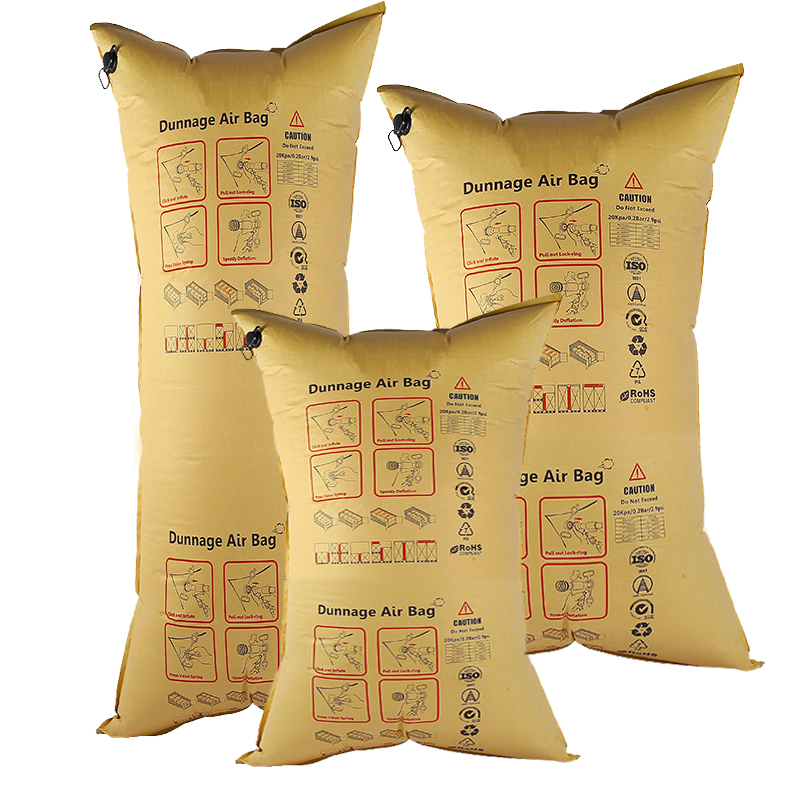
One of the most common and costly mistakes when using dunnage airbags is selecting the wrong inflation equipment. Dunnage airbags come with various valve types, and each valve requires a specific kind of inflator to achieve the right pressure. Using an incompatible inflator can lead to underinflation, where the airbag doesn’t properly fill the space, resulting in inadequate load stabilization. This can cause the cargo to shift during transport, leading to potential damage or delays. Conversely, using an inflator that provides too much pressure can overinflate the bag, which increases the risk of the airbag bursting under the pressure.
For example, a standard air compressor, commonly used in many industries, may not provide the precise control needed to maintain the exact pressure required for dunnage airbags. Many standard compressors don’t allow for fine-tuning or monitoring of inflation levels, which could result in inflated bags that are too firm or too soft. Overinflation can lead to the rupture of the airbag, rendering it useless and leaving the cargo vulnerable to movement. On the other hand, underinflated airbags may not provide enough support, leading to an unstable cargo load.
To prevent these issues, it is critical to use the correct inflation equipment designed specifically for the type of valve on the dunnage airbag. Portable inflators designed for dunnage airbags ensure that each bag is inflated to the optimal pressure, guaranteeing maximum effectiveness and longevity. These tools are equipped with pressure gauges and features that allow for precise control, reducing the risk of human error. Using the right equipment not only protects your cargo but also extends the life of the dunnage airbags, ensuring they can be reused efficiently.
Inflator Type | Compatible Dunnage Airbag Valve Type | Suitable For |
Standard Air Compressor | Universal, Non-precise Valve | General use (low precision) |
Digital Inflator with Pressure Control | Precision Valve | Exact inflation, high precision |
Portable Inflator (Manual) | Single Valve Type | On-the-go inflation |
The Risk of Over-Inflating
Over-inflation is another significant issue. When a dunnage airbag is overinflated, it exerts excessive pressure on the cargo and the container walls. This increased pressure can cause the bag to rupture, which compromises its ability to secure the load. As a result, the cargo may shift during transit, leading to potential damage. Overinflation also increases the risk of wear and tear on the bag, shortening its lifespan and making it less effective for future use.
The Benefits of Using Professional Inflation Equipment
Professional-grade inflation equipment is designed to provide precise pressure control, ensuring that the airbags are inflated to the optimal level. These tools help eliminate guesswork, making the inflation process safer and more efficient. Using a reliable inflation unit prevents both underinflation and overinflation, which enhances the effectiveness of the airbags and reduces the risk of cargo damage during transit. Additionally, these tools offer long-term value, saving both time and money by minimizing the risk of errors in the inflation process.
Mistake 2: Ignoring Sharp Edges of Cargo
The Threat of Sharp Edges on Dunnage Bags
Sharp edges on cargo can easily puncture or tear dunnage airbags, compromising their ability to hold air and stabilize the load. Even a small tear can cause gradual deflation, which reduces the effectiveness of the bags and puts your cargo at risk of shifting during transit. Common culprits include metal or wooden crates, as well as irregularly shaped items with jagged surfaces. If not properly protected, these sharp edges can lead to costly damages and disrupt the shipping process.
How to Protect Dunnage Bags from Sharp Edges
The best way to prevent damage from sharp edges is to use protective materials around the cargo. Honeycomb dunnage or corrugated sheets create a buffer between the sharp edges and the airbag. These materials absorb the pressure and prevent punctures, ensuring the dunnage bags stay intact throughout the journey. In addition to these materials, padded corner guards and reinforced packaging can provide an extra layer of protection. These measures help extend the lifespan of dunnage airbags and maintain their effectiveness in securing the cargo.
Choosing Reinforced Dunnage Bags
Some dunnage airbags are specially engineered to resist punctures from sharp edges. These reinforced bags offer additional durability, making them ideal for cargo with known sharp edges or heavy-duty shipping conditions. When choosing dunnage airbags, consider opting for reinforced versions if you frequently transport cargo with sharp edges, ensuring the bags will withstand the rigors of transit without compromising their ability to stabilize the load.
Mistake 3: Placing Dunnage Bags Directly on Container Floors
The Risks of Container Floors
Placing dunnage airbags directly on container floors can lead to punctures or moisture damage. Container floors often have nails, splinters, or moisture, all of which can gradually deflate the airbags and leave the cargo unsecured. Additionally, dirt and debris on the floor can cause abrasions, further weakening the dunnage bags. As a result, your load may shift during transit, leading to potential damage or safety hazards.
Best Practices for Preventing Floor Contact
To prevent damage from floor contact, it's important to elevate the dunnage bags using protective materials such as slip sheets, pallets, or plastic liners. These materials act as a barrier between the airbags and the floor, preventing direct contact with sharp objects or moisture. Using slip sheets or pallets also helps distribute the weight evenly, ensuring that the dunnage bags are not subject to excessive pressure in one area. This practice helps maintain the bags' integrity throughout the shipping process.
Protection Material | Pros | Cons |
Slip Sheets | Lightweight, Easy to handle | May not provide extra cushioning |
Pallet Liners | Strong, Good moisture protection | Can be bulky or heavy |
Plastic Liners | Durable, Provides excellent barrier | May not be environmentally friendly |
Corrugated Sheets | Cost-effective, Simple to use | Less durable than reinforced options |
Moisture Protection Measures
In environments where moisture is a concern—such as during sea freight or in older containers—it’s essential to choose dunnage bags that are water-resistant. Polywoven bags are ideal for such conditions, as they resist moisture and prevent bag degradation. Using water-resistant dunnage bags helps ensure that your cargo remains secure, even in harsh or humid conditions. Proper moisture protection ensures that the airbags will maintain their effectiveness, preventing deflation and securing the cargo from shifting during transport.
Mistake 4: Overfilling Dunnage Bags
The Risks of Overfilling
Overfilling dunnage bags is a common mistake that can lead to the bags bursting under pressure. This occurs when the bags are inflated beyond their rated capacity, causing them to fail and lose their ability to secure the load. Over-inflated bags also increase the chances of shifting cargo, which defeats the purpose of using dunnage airbags. Additionally, overfilling can lead to uneven weight distribution, putting unnecessary strain on certain areas of the container or the bags themselves.
How to Choose the Right Size Dunnage Bag
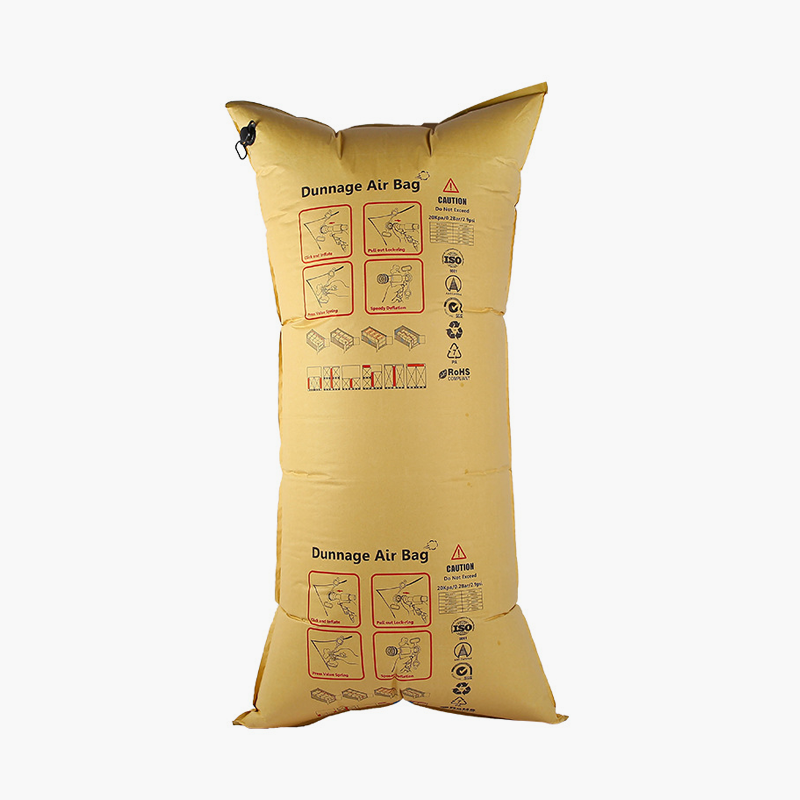
Selecting the right size of dunnage bag is crucial for proper load stabilization. A bag that is too small will not fill the void adequately, while one that is too large can be overinflated. To ensure a proper fit, measure the gap between the cargo and the container walls carefully and select a bag that matches the dimensions of the void. The table below provides a general guideline for selecting the appropriate size of dunnage airbag based on the gap size.
Dunnage Airbag Size | Recommended Gap Size | Application |
Small | 2-4 inches | Small cargo shipments |
Medium | 4-8 inches | Standard container loads |
Large | 8-12 inches | Heavy machinery or large cargo |
Tips for Adjusting Inflation
To ensure that dunnage bags fill the void without being overinflated, it’s important to monitor the inflation process. Using a reliable pressure gauge or a digital inflator with built-in monitoring helps adjust the inflation to the correct level. This ensures that the bags are inflated just enough to stabilize the cargo without exceeding their rated capacity. Regularly checking the pressure during transit is also important, especially for long shipments, to maintain the proper level of inflation and prevent overfilling.
Conclusion
To avoid mistakes with dunnage air bags, it’s essential to use the correct inflation tools, protect against sharp edges, prevent floor contact, and ensure proper inflation. Avoiding these common errors will enhance shipping efficiency and reduce cargo damage. Products from Shanghai Easygu Packaging Technology Co., Ltd. offer durable and reliable dunnage air bags, providing value by securing cargo and ensuring smooth transportation. Their products are designed to meet diverse shipping needs, improving efficiency and safety across all transport modes.
FAQ
Q: What are Dunnage Airbags used for?
A: Dunnage Airbags are used to secure cargo during transportation. They prevent shifting, reduce damage, and stabilize the load by filling voids between cargo units.
Q: How do I properly inflate Dunnage Airbags?
A: To inflate Dunnage Airbags correctly, use the appropriate inflation tool and avoid overfilling. Proper inflation ensures the bags function effectively without risking damage or failure.
Q: Why is it important to avoid sharp edges with Dunnage Airbags?
A: Sharp edges on cargo can puncture or tear Dunnage Airbags, leading to deflation and potential damage. Protecting against sharp edges extends the bag’s lifespan and maintains cargo security.
Q: What happens if Dunnage Airbags are placed directly on the container floor?
A: Placing Dunnage Airbags directly on the floor can lead to punctures or moisture damage. It's best to use protective materials like slip sheets to prevent direct contact with the floor.
Q: How does overfilling a Dunnage Airbag affect its performance?
A: Overfilling a Dunnage Airbag can cause it to burst under excessive pressure. Always follow the recommended inflation guidelines to ensure the airbag's effectiveness in stabilizing the cargo.