Introduction
In today's shipping industry, sustainability is more important than ever. As businesses focus on reducing their environmental impact, one question arises: can Dunnage Airbags be reused?
In this article, we will explore the reusability of Dunnage Airbags, the benefits, and the challenges they present. You'll learn how reusing these bags can lead to both cost savings and a more sustainable supply chain.
What are Dunnage Air Bags?
Definition and Function of Dunnage Air Bags
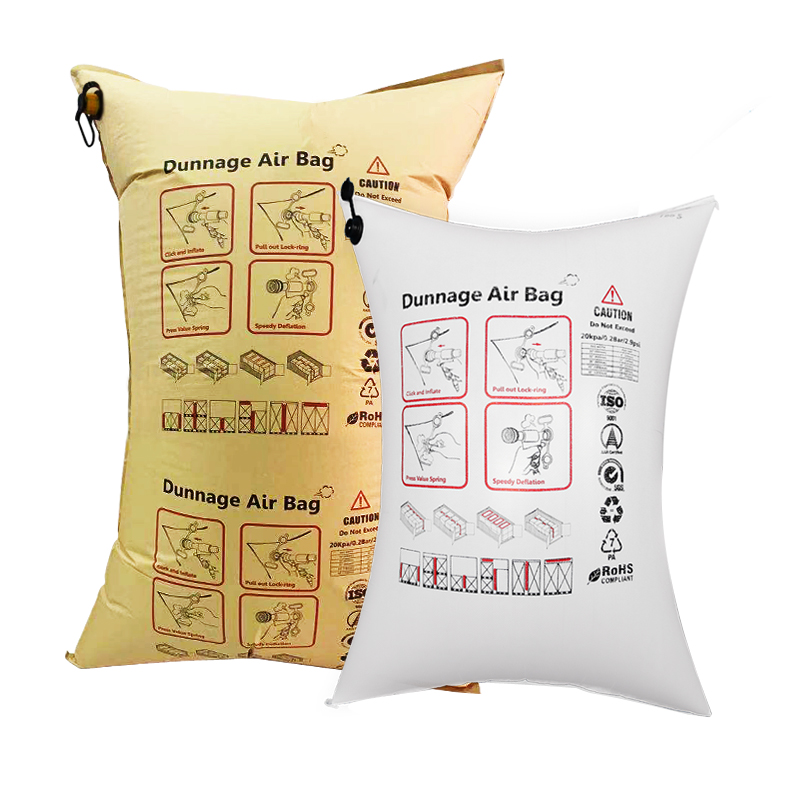
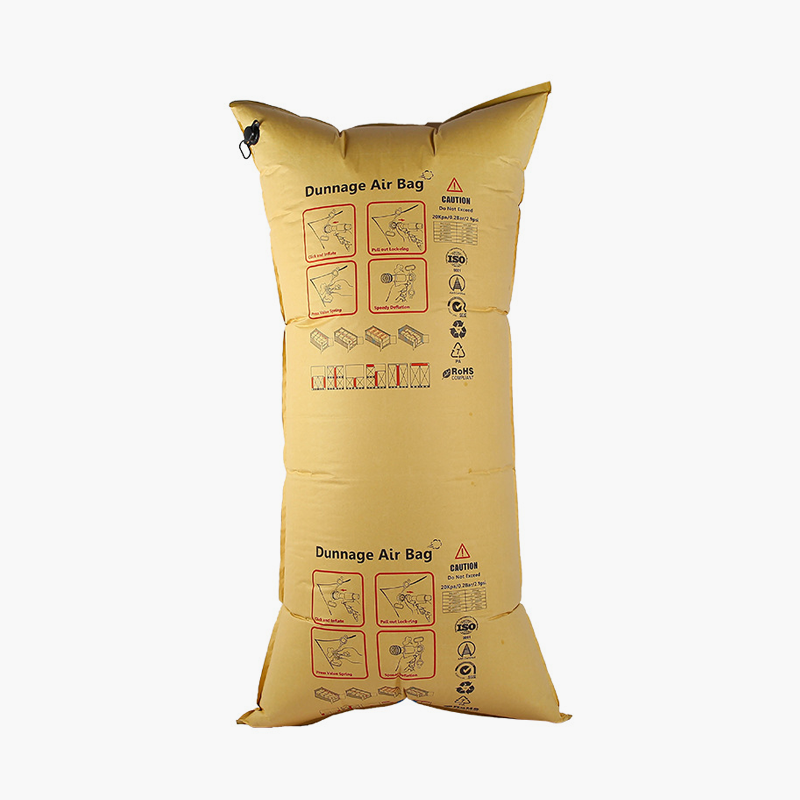
Dunnage Air Bags are inflatable cushions used in shipping to stabilize cargo. Made from durable materials like polyethylene or polypropylene, these bags are designed to fill voids in shipping containers, preventing items from shifting during transit. By being inflated, they create a tight barrier between goods, keeping them secure and minimizing damage caused by movement.
Their function is straightforward but essential: to provide an additional layer of protection that absorbs vibrations, prevents load shift, and stabilizes the cargo in transit. This simple yet effective solution is vital for industries that rely on safe and secure transport, such as automotive, electronics, and pharmaceuticals.
Different Types of Dunnage Air Bags
Dunnage Air Bags are available in various materials and designs, each catering to different shipping needs. The most common types are:
Material | Pros | Cons |
Polywoven | High durability, moisture and puncture resistance, reusable | More expensive than paper bags, less eco-friendly |
Paper | Cost-effective, recyclable, eco-friendly | Less durable, not ideal for moist conditions |
Vinyl | Excellent air retention, water-resistant, good for sensitive cargo | More expensive, harder to recycle |
Polywoven Dunnage Air Bags are ideal for heavy-duty applications, providing long-lasting durability. Paper-based bags, on the other hand, are more environmentally friendly but might not withstand harsh conditions. Vinyl bags are often used for lighter or sensitive cargo, offering superior cushioning.
Analyzing the Reusability of Dunnage Air Bags
Factors Affecting Reusability
The reusability of Dunnage Air Bags depends on several key factors. First, the material plays a significant role. Bags made from high-quality, durable materials such as polywoven polypropylene can withstand multiple uses, while lower-quality materials may degrade quickly.
The condition of the bag after its initial use is also crucial. If the bag has been punctured, torn, or compromised, it will not be suitable for reuse. A comprehensive inspection process should be implemented to identify any bags that are no longer effective.
Additionally, the shipping environment plays a role. Bags used in environments with extreme temperatures, moisture, or hazardous materials might suffer more wear and tear, reducing their lifespan.
When Can Dunnage Air Bags Be Reused?
Dunnage Air Bags can generally be reused if they are properly maintained and not damaged. Reuse is most feasible in closed-loop supply chains, where the same packaging is returned to the sender for future use. In such cases, Dunnage Air Bags can be deflated, stored, and then reinflated for subsequent shipments.
However, reusable air bags are best suited for certain conditions:
● The material is durable enough to handle multiple uses.
● The bags are free from punctures or significant damage.
● There is a system in place to inspect and maintain their integrity.
How to Ensure the Effectiveness of Reused Dunnage Air Bags
To maximize the effectiveness of reused Dunnage Air Bags, businesses must:
● Inspect each bag for signs of wear and tear after every use.
● Ensure that the inflation valve is functioning properly and does not leak.
● Store the bags in a clean, dry environment to prevent contamination and further degradation.
● Replace any bags that no longer provide adequate protection to the cargo.
These steps help businesses ensure that the bags remain effective and safe for multiple uses.
Environmental and Economic Benefits of Reusing Dunnage Air Bags
Reducing Environmental Impact
The environmental benefits of reusing Dunnage Air Bags are clear. By reusing bags rather than producing new ones for every shipment, businesses can significantly reduce the amount of packaging waste sent to landfills. This not only minimizes environmental impact but also reduces the carbon footprint associated with the production and transportation of new packaging materials.
Additionally, reusable Dunnage Air Bags often require fewer raw materials, reducing the demand for plastic and other non-renewable resources.
Saving Costs
One of the most significant benefits of reusing Dunnage Air Bags is cost savings. Each bag represents an initial investment, and by reusing it multiple times, businesses can spread the cost over many shipments. This is particularly beneficial for companies with high shipping volumes, as the savings from reduced material purchases can add up quickly.
The long-term financial benefits are substantial, especially when compared to traditional, single-use packaging materials, which require frequent repurchasing.
Supporting Sustainable Logistics Operations
Reusing Dunnage Air Bags is an important step toward creating a sustainable logistics operation. By incorporating reusable packaging into the supply chain, businesses contribute to the broader goal of reducing waste and promoting circular economy practices. This not only benefits the environment but also enhances a company’s reputation, as consumers and partners increasingly value eco-friendly practices.
Challenges and Considerations of Reusing Dunnage Air Bags
Inspection and Maintenance Complexity
While reusing Dunnage Air Bags has clear benefits, it also presents challenges. The most pressing of these is ensuring that the bags remain in good condition after multiple uses. Each bag must be thoroughly inspected for punctures, tears, or any other damage that could compromise its ability to secure the cargo. Implementing a thorough inspection and maintenance protocol is essential to avoid reusing compromised bags.
Regulatory and Industry Standards
Certain industries may have regulations that limit or prevent the reuse of Dunnage Air Bags. For example, the food and pharmaceutical industries have strict standards for packaging materials to prevent contamination. Businesses in these sectors must carefully evaluate whether reused Dunnage Air Bags meet these regulatory requirements.
Contamination and Cleaning Issues
In some industries, particularly those handling hazardous materials or food products, contamination is a major concern. Reused Dunnage Air Bags may need to be cleaned or sanitized before being used again. This can add time and cost to the reuse process, making it important for businesses to have a cleaning and sanitizing protocol in place.
Best Practices: How to Safely and Effectively Reuse Dunnage Air Bags
Regular Inspection and Maintenance
To ensure the safe reuse of Dunnage Air Bags, businesses should implement regular inspection and maintenance practices. Bags should be checked for punctures, tears, or leaks before each use. Additionally, the inflation valve should be tested to ensure it maintains air pressure throughout transit.
Proper Storage and Transportation of Dunnage Air Bags
When storing reused Dunnage Air Bags, businesses should ensure that the bags are kept in a dry, clean environment to prevent damage. Proper handling and transportation of these bags are also essential to maintain their integrity for reuse. Bags should be stored in a way that prevents them from becoming tangled or damaged.
Training Employees
Employee training is crucial to ensure that Dunnage Air Bags are reused effectively. Staff should be trained to inspect, handle, and store bags properly. By educating employees about the importance of reusing packaging materials, businesses can improve the longevity of their bags and reduce the need for frequent replacements.
How to Choose the Right Dunnage Air Bags to Support Sustainability
Considering Cargo Type and Shipping Conditions
When selecting Dunnage Air Bags, businesses should consider the type of cargo being shipped and the specific shipping conditions. Fragile goods may require more robust air bags made from durable materials like polywoven polypropylene, while less sensitive items may be fine with paper or vinyl bags.
Evaluating Durability of Materials and Design
The durability of the material is one of the most important factors when selecting Dunnage Air Bags. Businesses should choose high-quality, durable bags that can withstand multiple uses without compromising the safety of the cargo.
Regularly Evaluating Supply Chain Sustainability Practices
Finally, businesses should regularly assess their supply chain sustainability practices. By conducting periodic reviews, companies can identify areas where improvements can be made, such as increasing the use of reusable packaging and reducing reliance on single-use materials.
Conclusion
Reusing Dunnage Air Bags is a feasible and cost-effective solution for businesses. It helps reduce environmental impact by cutting down on packaging waste. Additionally, it offers significant savings by eliminating the need for new bags. Companies like Shanghai Easygu Packaging Technology Co., Ltd. provide high-quality, durable Dunnage Air Bags that support a sustainable supply chain while ensuring cargo safety. These products offer long-term value, contributing to both eco-friendly practices and cost efficiency.
FAQ
Q: Can Dunnage Air Bags be reused?
A: Yes, Dunnage Air Bags can be reused if they are properly maintained and inspected for damage. Reusing them helps reduce waste and costs in the long term.
Q: How do Dunnage Air Bags help in sustainability?
A: Reusing Dunnage Air Bags reduces packaging waste, lowers production demand for new materials, and decreases the carbon footprint, contributing to more sustainable logistics.
Q: What factors affect the reusability of Dunnage Air Bags?
A: The material quality, condition after use, and the shipping environment all influence the reusability of Dunnage Air Bags. Regular inspections are essential to ensure their effectiveness.
Q: Are Dunnage Air Bags cost-effective in the long run?
A: Yes, by reusing Dunnage Air Bags, businesses can save money on purchasing new packaging materials, making them a cost-effective solution for high-volume shipments.
Q: How should Dunnage Air Bags be stored for reuse?
A: Dunnage Air Bags should be stored in a clean, dry place to avoid damage or contamination. Proper storage ensures they remain in good condition for future use.