1. Introduction
Transporting goods safely is crucial for retail centers. Did you know that poorly secured cargo can lead to significant losses?
In this article, we will discuss how Dunnage Airbags help solve these challenges. You will learn how they stabilize cargo, reduce damage, and improve efficiency.
We will also explore the different types of dunnage airbags and how retail centers can choose the right one for their needs.
2. How Dunnage Airbags Work
2.1 Basic Functionality of Dunnage Airbags
Dunnage airbags are designed to stabilize cargo and prevent shifting during transportation. These inflatable bags are placed in gaps or voids between items or within containers, ensuring that the cargo remains securely in place. Once inflated, the airbags apply pressure to the surrounding space, holding the cargo against the walls or other items. This helps to reduce the risk of damage caused by movement, impacts, or sudden stops.
The bags are lightweight yet durable, and they effectively absorb vibration and shock. This is especially important during long journeys or when cargo is subjected to external forces like road bumps or rough sea conditions. Dunnage airbags provide an efficient, reusable alternative to traditional cargo restraint methods such as wood beams or metal bars.
2.2 Design and Materials of Dunnage Airbags
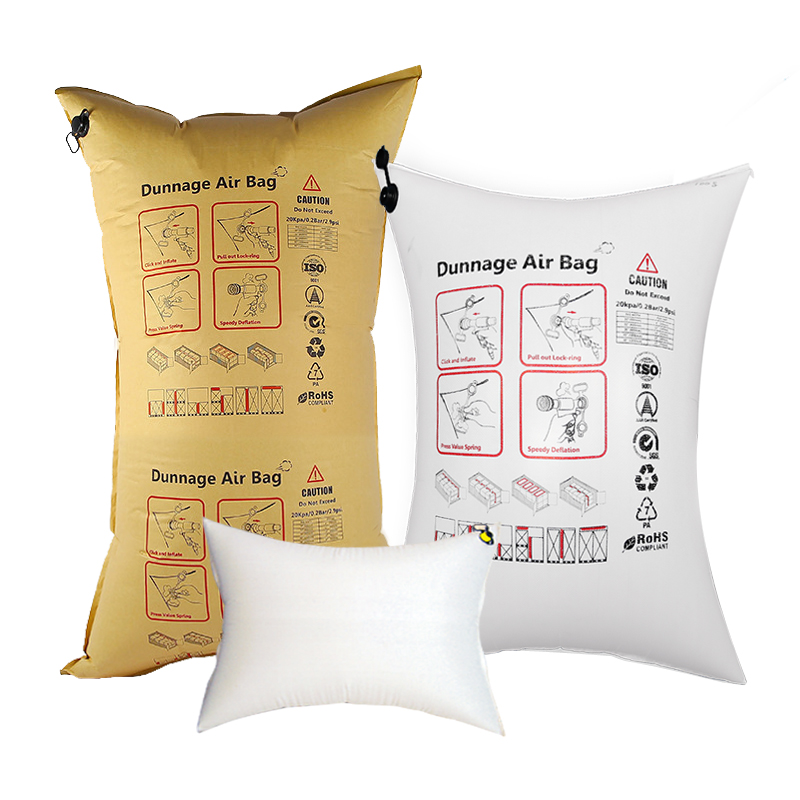
Dunnage airbags are typically made from two main materials: polypropylene and kraft paper. Both materials have specific strengths that make them suitable for different types of cargo and transport methods.
● Polypropylene Dunnage Airbags: These bags are constructed from woven polypropylene fabric. They are highly durable, chemical-resistant, and waterproof, making them ideal for heavy-duty cargo, particularly in long-distance shipments such as rail transport or overseas containers. They also have a longer lifespan and can be reused multiple times.
● Kraft Paper Dunnage Airbags: Made from high-strength paper, these bags are a cost-effective option for lighter loads or shorter trips. They are especially effective in preventing load shifts and absorbing shock during transit. However, kraft paper airbags can be affected by moisture, which limits their use in high-humidity environments.
Both types of dunnage airbags provide excellent load stabilization, but the choice between polypropylene and kraft paper depends on the specific requirements of the shipment, such as load weight, distance, and environmental conditions.
2.3 Applications of Dunnage Airbags
Dunnage airbags are versatile and can be used in various transportation methods, including:
● Truck Transport: Commonly used in dry van trailers, dunnage airbags fill gaps between pallets and cargo, preventing shifting during road transport.
● Rail Transport: Dunnage airbags are ideal for rail shipments, where they help stabilize cargo in railcars that might experience vibrations or sudden jerks.
● Sea Containers: When shipping goods by sea, these airbags prevent movement and minimize damage due to the rough seas and vibrations typically encountered during ocean travel.
These applications demonstrate the flexibility of dunnage airbags, making them an essential tool for retailers who need to ensure the safe transport of goods across various modes of transportation.
3. How Retail Centers Use Dunnage Airbags to Ensure Cargo Safety
3.1 Loading and Usage of Dunnage Airbags
In retail centers, dunnage airbags are commonly used to fill gaps between cargo, especially when items are double or triple stacked. The process involves placing the deflated airbags between cargo loads, then inflating them using compressed air. Once inflated, the airbags press the cargo tightly against the trailer or container walls, creating a secure barrier that prevents shifting or tilting during transit.
This method is particularly useful in environments where traditional restraints, such as cargo bars, are either impractical or too time-consuming to install. The quick inflation and deflation process also make loading and unloading more efficient, saving time and reducing labor costs.
3.2 Advantages of Dunnage Airbags: Improving Efficiency and Reducing Losses
The use of dunnage airbags in retail centers provides multiple advantages, such as:
● Improved Transportation Efficiency: By securely holding cargo in place, dunnage airbags minimize the need for excessive strapping or additional support materials, streamlining the loading process.
● Reduced Cargo Damage: With less shifting and movement, products are less likely to be damaged, especially fragile items like glassware or electronics. This leads to fewer returns and better customer satisfaction.
● Faster Loading and Unloading: The ability to quickly inflate and deflate airbags cuts loading and unloading times by up to 50%. This allows for faster turnaround and improved delivery schedules.
3.3 Case Studies: Practical Applications of Dunnage Airbags in Retail Centers
Many retail centers have successfully implemented dunnage airbags to improve cargo safety and operational efficiency. For example, a major retail distribution center reported a 60% reduction in product damage and a 30% faster unloading time after switching to dunnage airbags for their container shipments. This transition allowed the company to increase throughput while maintaining the quality of their products.
Another case involved a retailer specializing in fragile items. By using dunnage airbags in conjunction with traditional packaging methods, they were able to reduce their return rate due to shipping damage by 75%, demonstrating the significant impact of these airbags on protecting sensitive goods.
4. Types of Dunnage Airbags and How to Choose
4.1 Polypropylene vs. Kraft Paper Dunnage Airbags
When selecting a dunnage airbag, the choice of material depends on several factors, such as the nature of the cargo, the transport method, and the environmental conditions:
● Polypropylene Airbags: Best for heavy, long-distance shipments. These bags are durable, reusable, and resistant to moisture and chemicals, making them ideal for harsher environments.
● Kraft Paper Airbags: Suitable for lighter loads and short-distance transport. They are cost-effective but may not be as durable in moist conditions.
Feature | Polypropylene Dunnage Bags | Kraft Paper Dunnage Bags |
Durability | High | Moderate |
Reusability | High | Moderate to Low |
Moisture Resistance | High | Low |
Cost | Higher | Lower |
Best for | Heavy, long-distance shipments | Light, short-distance shipments |
4.2 Dunnage Airbags Strength Levels
Dunnage airbags come in various strength levels, which determine the amount of weight they can support. The strength level is crucial when choosing an airbag for specific cargo:
● Level 1: Supports loads up to 44,000 lbs, suitable for light-duty applications.
● Level 2: Supports up to 75,000 lbs, ideal for heavier cargo.
● Level 3/4: Handles loads up to 192,000 lbs, used for the heaviest shipments.
4.3 Dunnage Airbags vs. Traditional Cargo Restraints
Compared to traditional methods like wood beams or cargo bars, dunnage airbags offer several benefits:
● Speed: Airbags can be inflated in seconds, while traditional methods require more time and labor to install.
● Cost: Dunnage airbags are often more affordable than custom wooden restraints or metal bars.
● Flexibility: Airbags conform to the shape of the cargo, providing a custom fit for different load types.
5. Environmental and Cost Benefits of Dunnage Airbags in Retail Supply Chains
5.1 Environmental Advantages of Dunnage Airbags
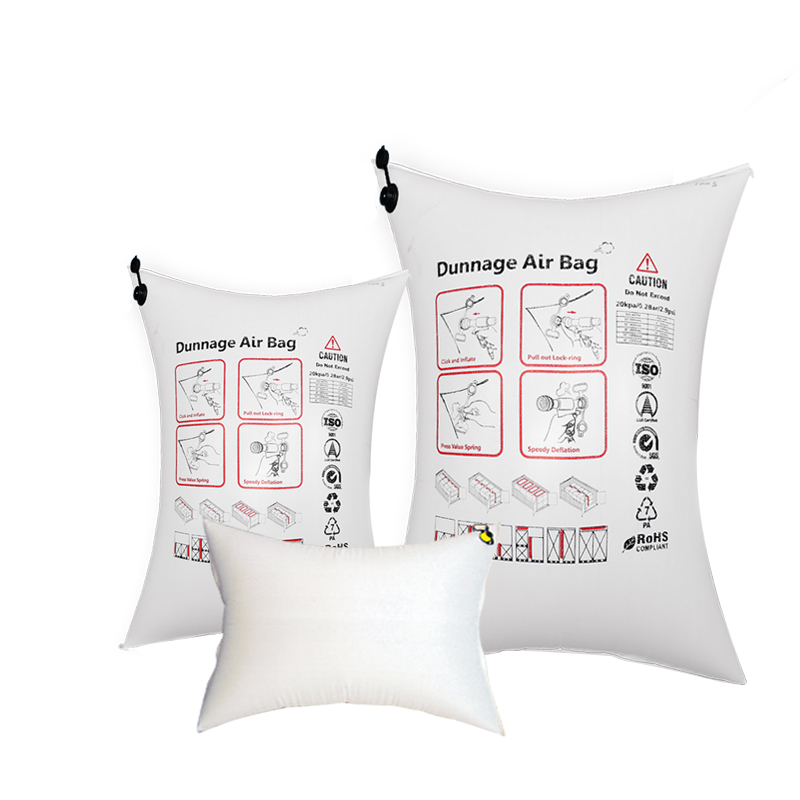
One of the key benefits of using dunnage airbags is their environmental impact. These airbags are reusable and recyclable, making them a more sustainable choice than traditional packaging or cargo restraint methods. The materials used in the production of dunnage airbags, such as polypropylene, can be recycled, reducing waste in the supply chain.
5.2 How Dunnage Airbags Reduce Transport Costs
Dunnage airbags contribute to cost savings in several ways:
● Reduced Cargo Damage: With fewer product losses, retail centers save on replacement costs and reduce the risk of returns.
● Better Space Utilization: Airbags help optimize cargo placement, improving load density and reducing the need for extra transport.
● Faster Loading and Unloading: The quick inflation and deflation process lead to faster loading times, reducing labor costs and improving shipping timelines.
6. Best Practices and Safety Tips for Using Dunnage Airbags
6.1 How to Properly Choose and Install Dunnage Airbags
To ensure the effectiveness of dunnage airbags, it is important to:
● Select the Correct Size: Measure the gaps between your cargo and ensure the airbag fits snugly.
● Consider Load Weight: Choose airbags that can handle the weight of your cargo, ensuring proper stabilization.
6.2 Common Issues and Solutions
Some common issues include:
● Overinflation: This can cause the airbag to burst. Always adhere to the manufacturer’s recommended inflation guidelines.
● Damaged Airbags: Inspect airbags for punctures or wear before use. If damaged, replace the airbag to ensure safe transportation.
6.3 Safety Guidelines for Proper Usage
To ensure the safe use of dunnage airbags, warehouse personnel should:
● Follow Manufacturer’s Instructions: Always refer to the guidelines provided for inflation and installation.
● Avoid Sharp Objects: Ensure that sharp objects are kept away from the airbags to prevent punctures.
7. Conclusion
Using Dunnage Airbags in retail centers greatly enhances supply chain efficiency. These airbags help reduce cargo damage, improve transportation efficiency, and lower costs. By stabilizing loads during transit, they ensure that goods arrive safely and on time. Retail centers can further leverage Dunnage Airbags to streamline their operations, reducing damage and increasing productivity. Shanghai Easygu Packaging Technology Co., Ltd. offers high-quality dunnage airbags, providing effective solutions that improve cargo security and operational performance.
FAQ
Q: What are Dunnage Airbags and how do they work in retail centers?
A: Dunnage Airbags are inflatable bags used to stabilize cargo in transit. They fill voids between goods, preventing shifting and damage during transportation.
Q: How do retail centers use Dunnage Airbags to improve efficiency?
A: Retail centers use Dunnage Airbags to secure cargo quickly, reducing loading times, minimizing damage, and enhancing supply chain efficiency.
Q: What are the benefits of using Dunnage Airbags in retail supply chains?
A: Dunnage Airbags help reduce cargo damage, optimize storage space, and cut transportation costs, ensuring safer and more efficient deliveries.
Q: Are Dunnage Airbags cost-effective for retail centers?
A: Yes, Dunnage Airbags are affordable compared to traditional cargo restraints, offering long-term savings by reducing product damage and improving loading efficiency.
Q: How do Dunnage Airbags compare to traditional cargo securing methods?
A: Dunnage Airbags are faster, more flexible, and cost-effective than wood beams or cargo bars, providing better stability with less effort.